Daily Diary Units Available
We continually develop new data loggers using the most up-to-date sensors with the lowest possible power requirements.
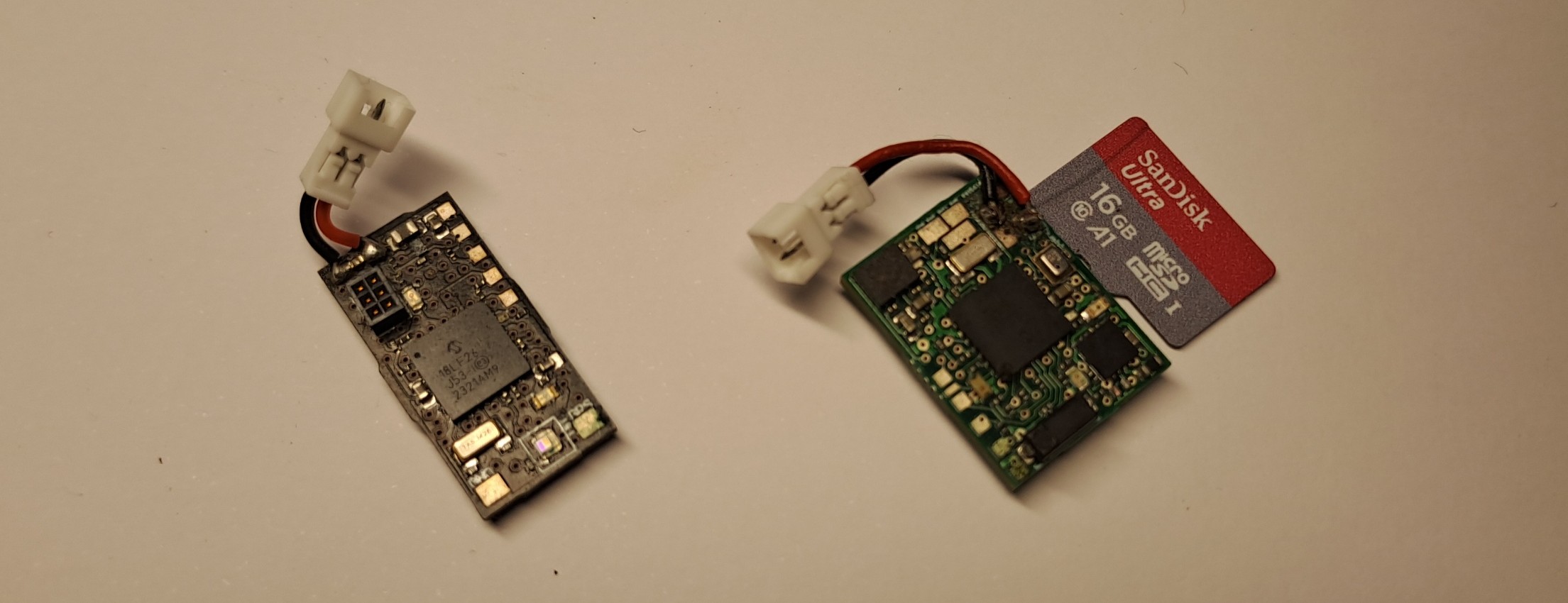
Two distinct models: the Alice (left, 2 months @ 20 Hz) in 3 varieties, and the Thumb (right, 6 months+) for extended deployments.
Alice Range
Three Varieties with On-Board Flash
- Alice 256 MB — tri-axial acceleration, tri-axial magnetometry, barometric pressure, and temperature. Dimensions: 20×10×5 mm
- Alice Lite 256 MB — adds light sensor. Dimensions: 22×10×5 mm
- Alice Lite 1 GB — 1 GB flash, same sensors as Lite. Dimensions: 22×10×5 mm
Sensors
- Accelerometer — BMA456 (Bosch Sensortec) / Magnetometer — LIS3MDL (STMicroelectronics)
- Barometric pressure / Temperature — BMP581 (Bosch Sensortec)
- Light sensor — APDS9008 (Avago/Broadcom) — Alice Lite models only
- 3 LEDs — red (error), yellow (sleeping/waiting/comms), green (logging)
- Magnetic REED switch — for state change
Batteries
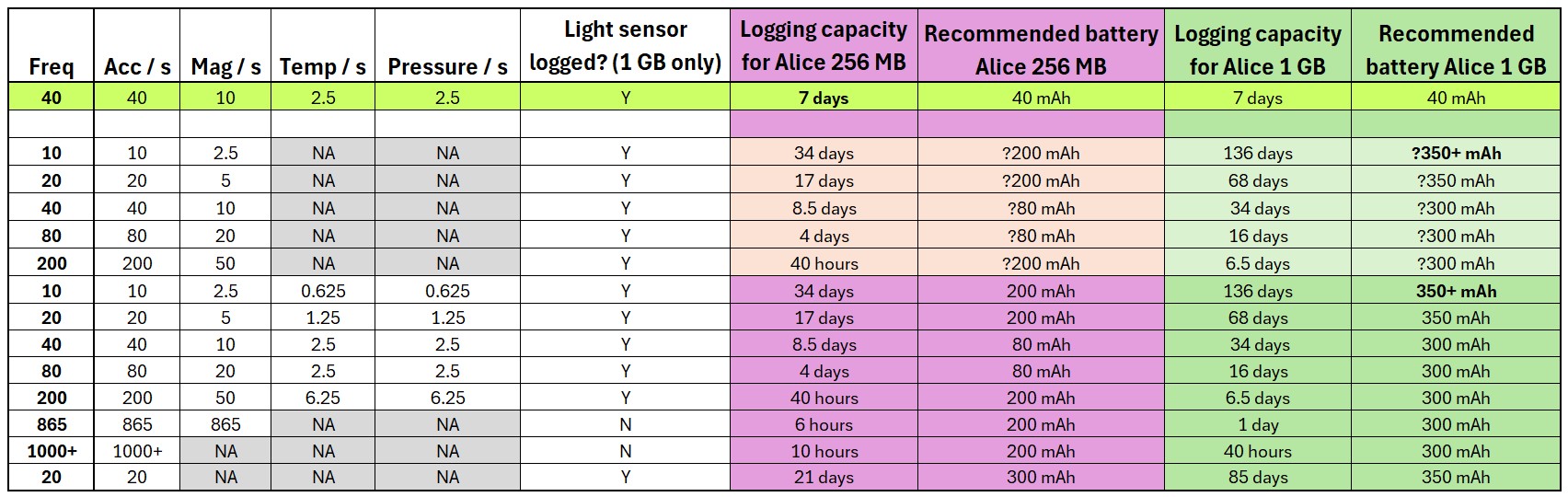
- Rechargeable: 40, 80, 200, 300, and 350 mAh
- Battery connected via short wire pair; size depends on logging duration / sampling frequency
- Example: 40 Hz acc (10 Hz mag, 2.5 Hz temp/pressure) requires ~50 mAh per 8 days
Sampling Ratios
- Accelerometer : Magnetometer : Temperature : Pressure = 16 : 4 : 1 : 1 Hz
- At 20 Hz accelerometer, other sensors log at ~5 : 1 : 1 Hz
🆕 Latest offering: 40 mAh rechargeable cell logs at 40 Hz acc (10 Hz mag, 2.5 Hz temp/pressure) for ~7 days. Total weight: 3.3 g (24.5 × 14.0 × 9.0 mm).
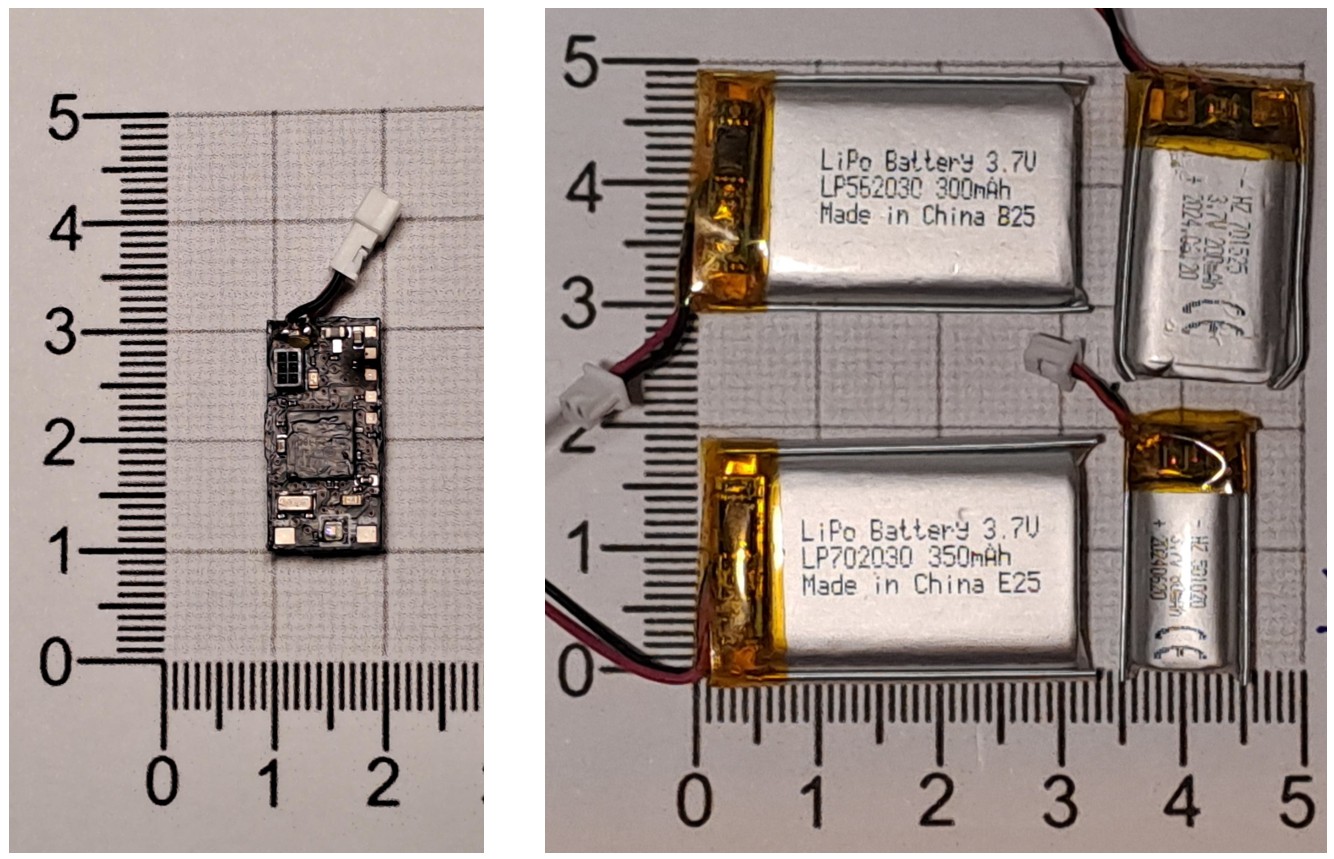
Battery Dimensions
| Capacity | Dimensions | Weight |
|---|---|---|
| 40 mAh | 12 × 15 × 3 mm | 0.90 g |
| 80 mAh | 20 × 10 × 5 mm | 1.75 g |
| 200 mAh | 27 × 16 × 6 mm | 4.20 g |
| 300 mAh | 32 × 20 × 6 mm | 6.50 g |
| 350 mAh | 32 × 20 × 7 mm | 7.60 g |
3D Printed Housings
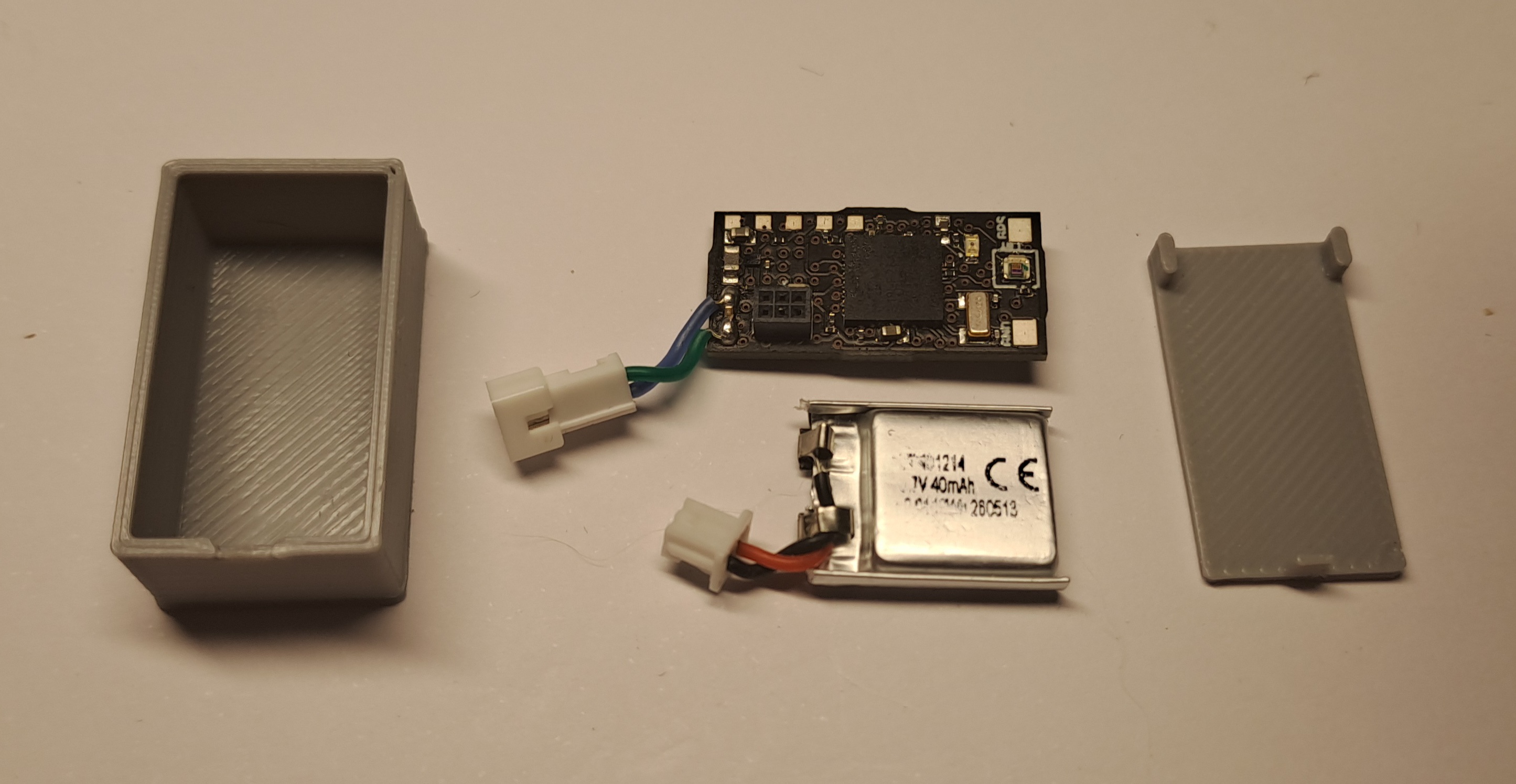
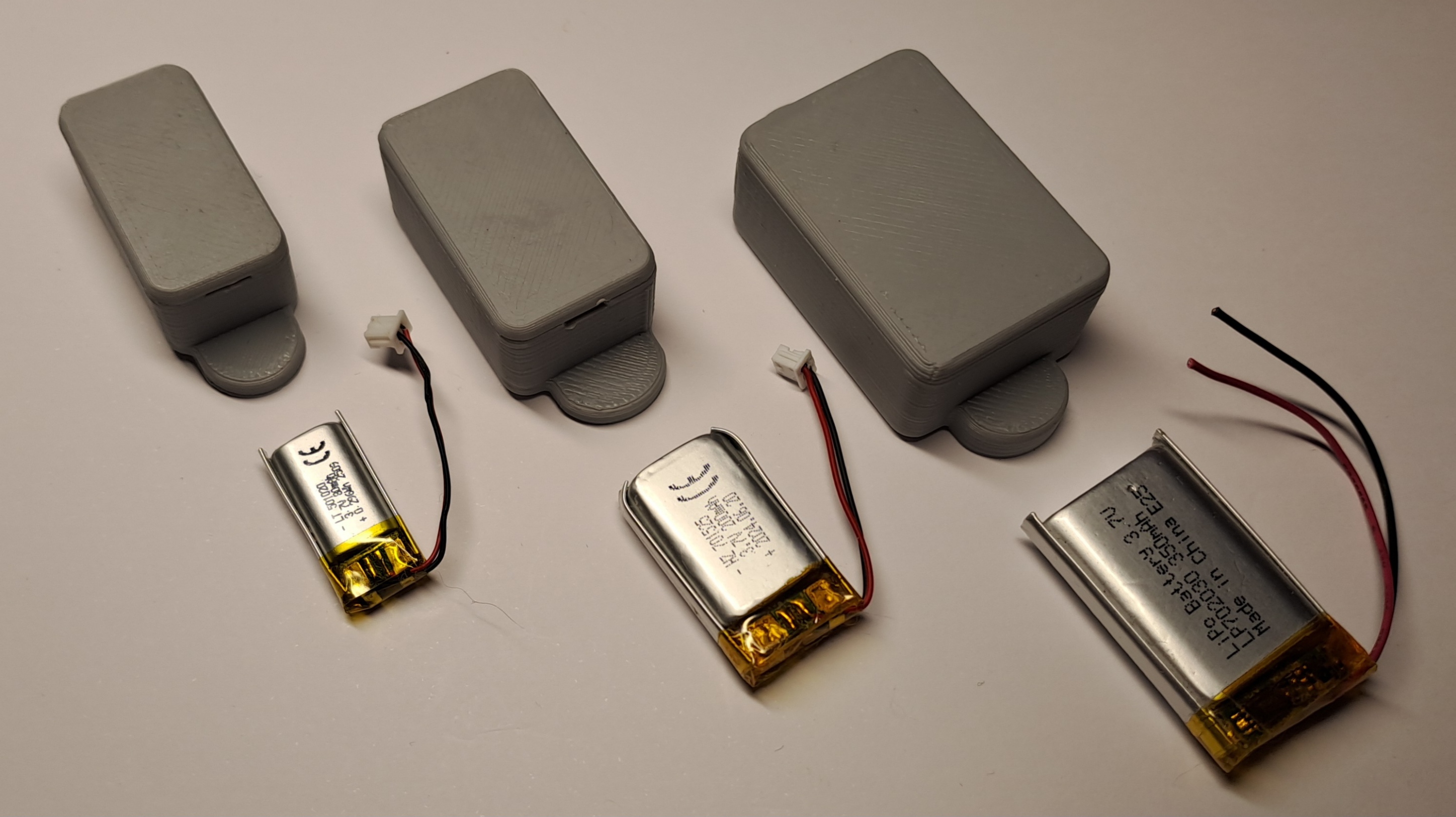
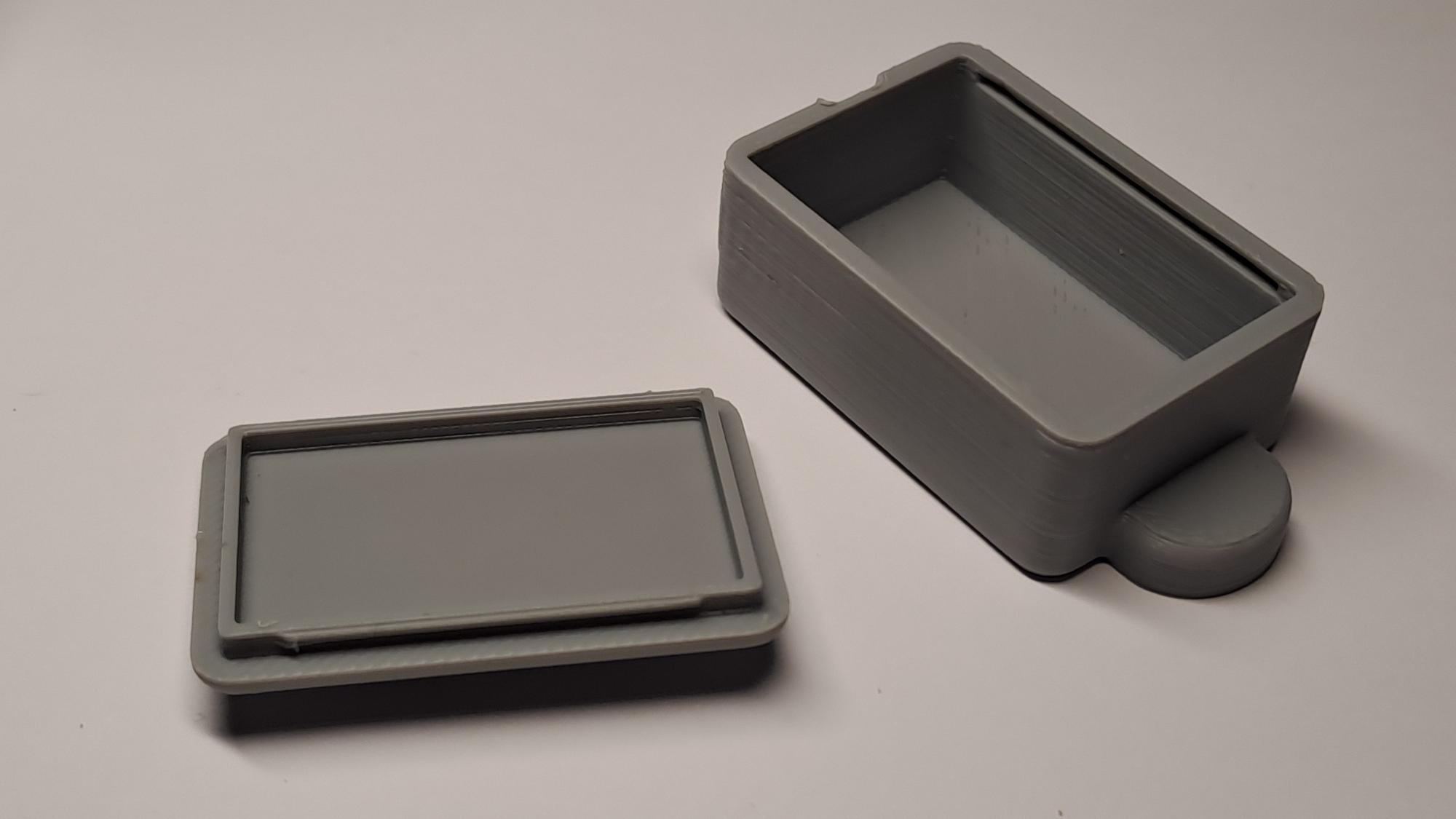
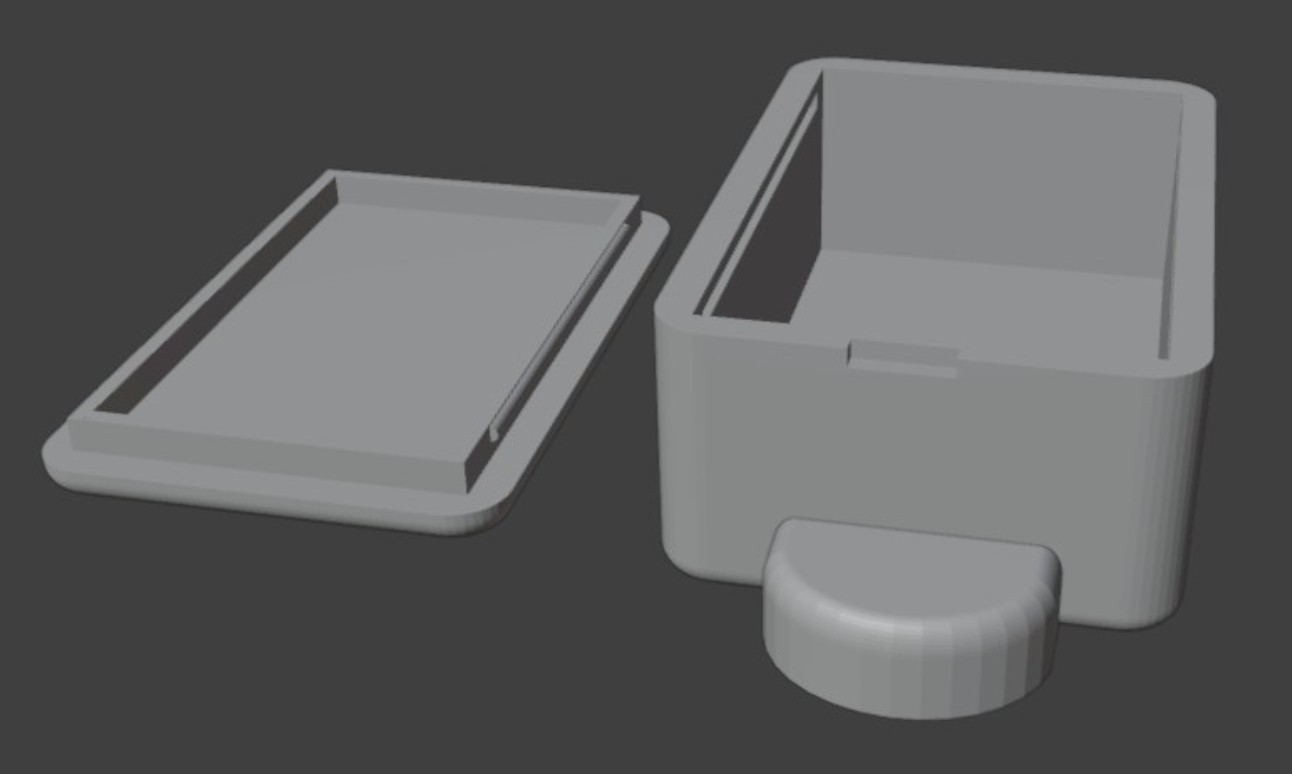
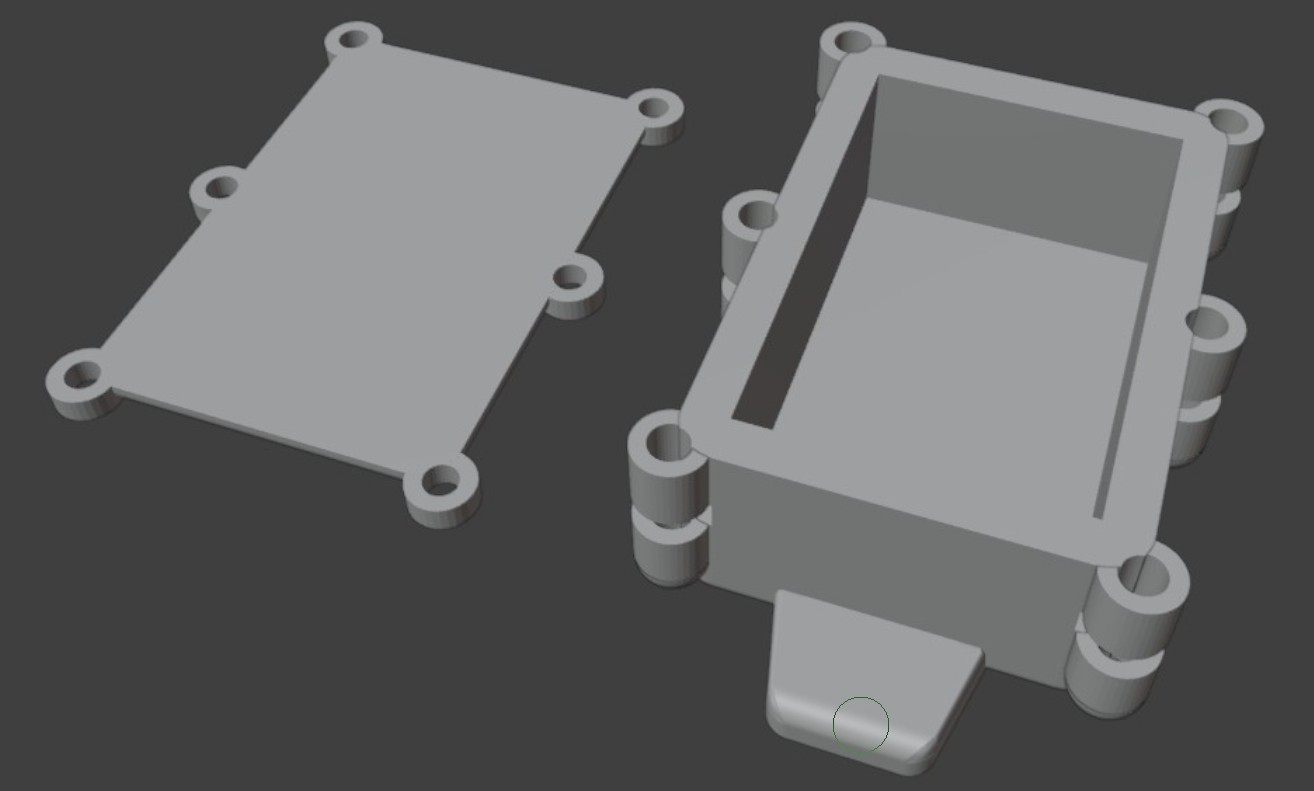
3D printed housings in various formats/sizes are supplied free of charge. The .stl files can also be downloaded here. For bolt casings, add support material in your slicer for the pillar gaps.
Please note that these housings by themselves will not waterproof any data logger. They come with no warranty to their ability to protect a datalogger in any particular application. They are simply a starting point, a simplified enclosure to help protect the delicate logger. It is the responsibility of the customer to seal / apply coatings to effect their worthiness for the job.
Snap-Lock Casings (80, 200, 350 mAh)
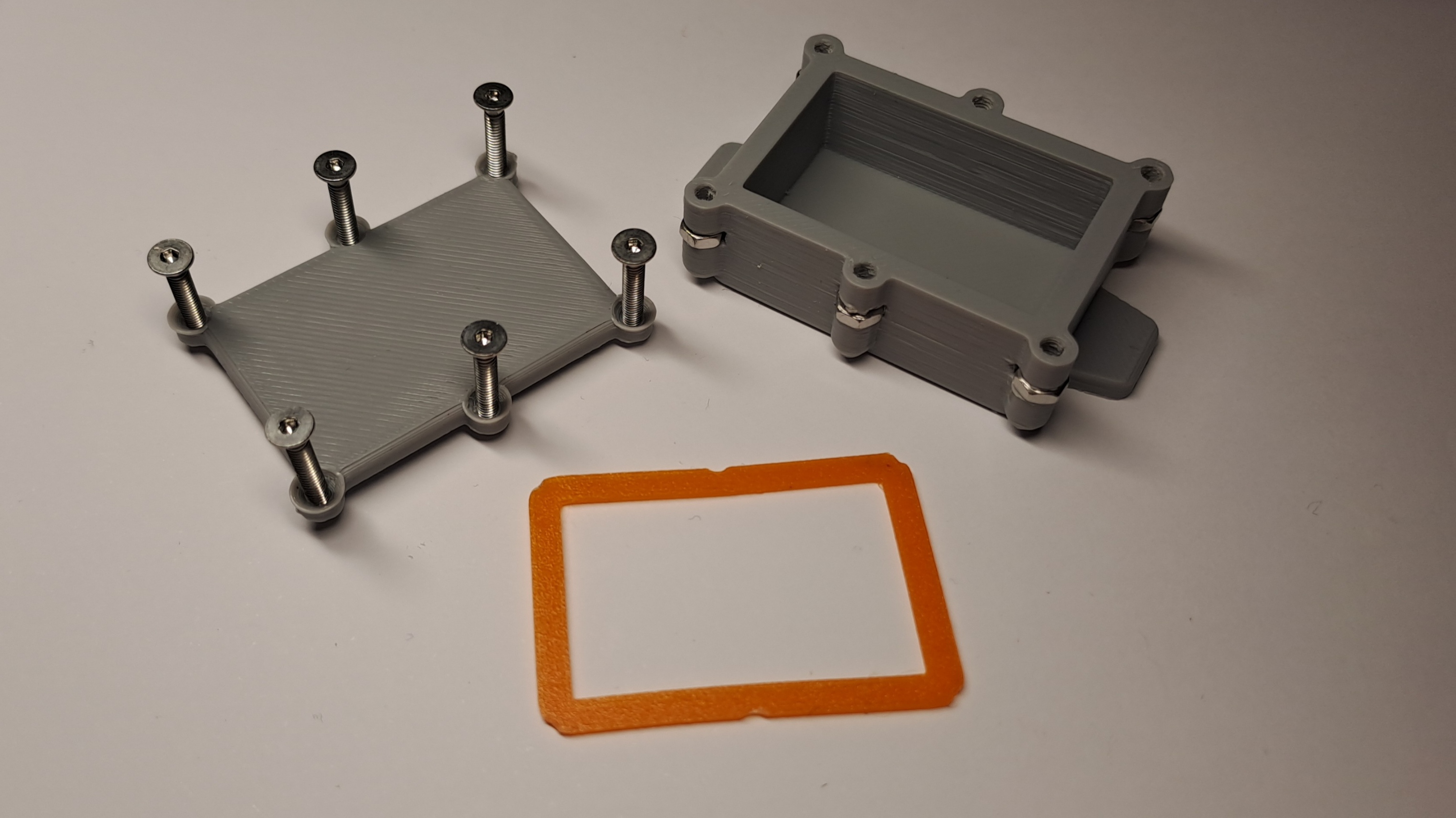
Bolt-Casings with Titanium / Grade A4 M2.5 Torx Bolts

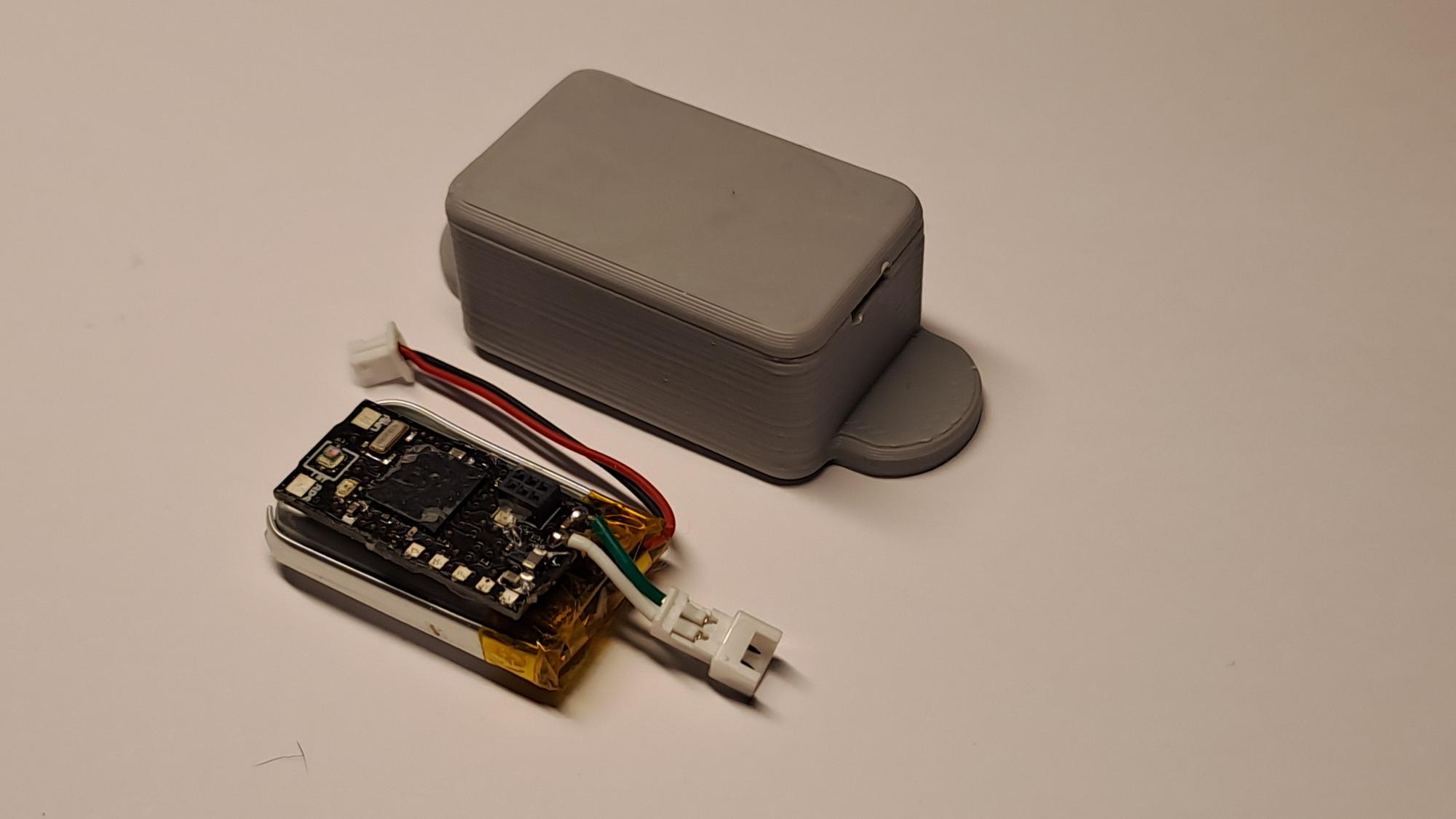
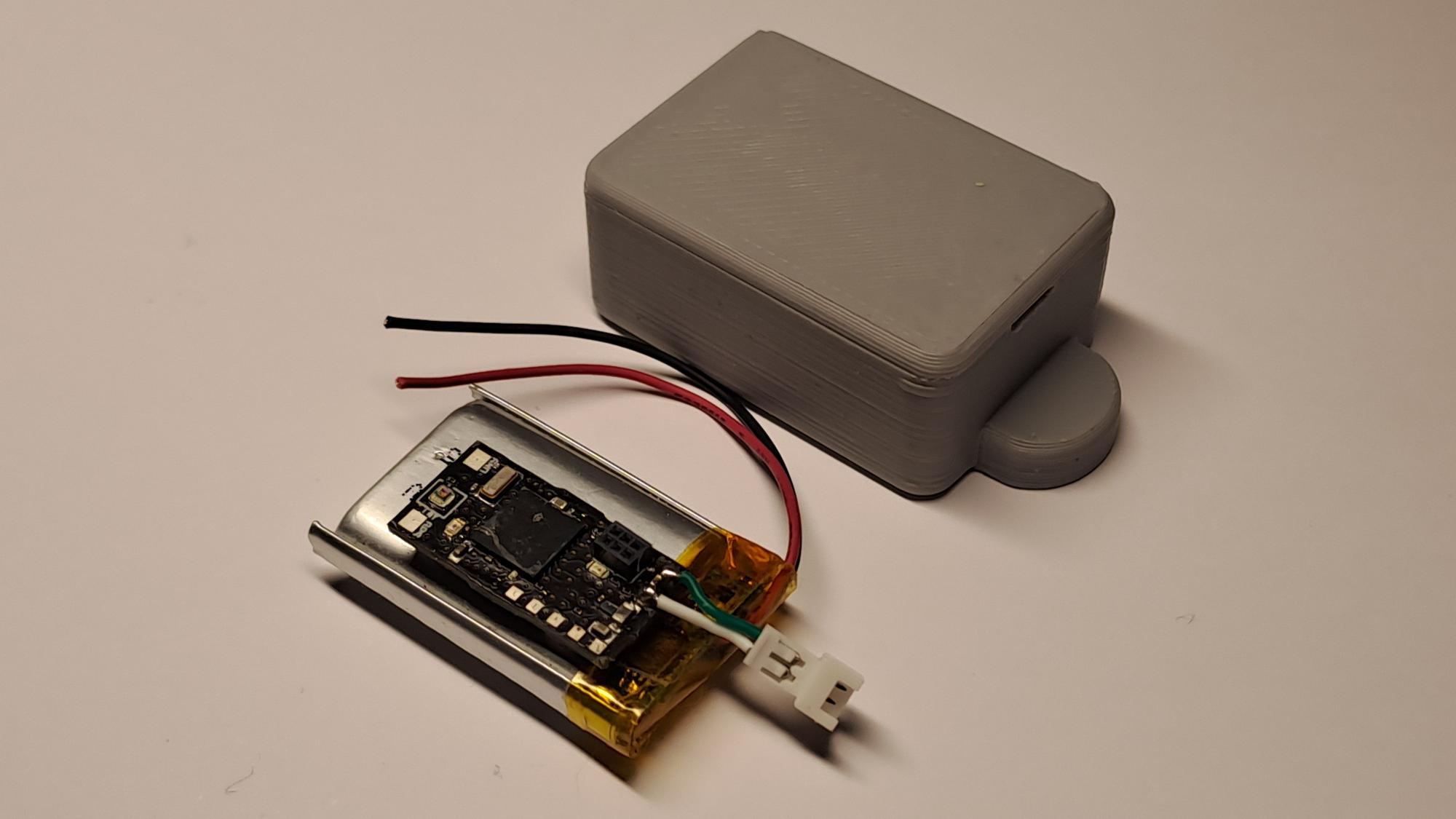
These casings include a 1 mm TPU gasket on a 3 mm thick wall beneath the lid. Casing walls are not waterproof by default and may require a marine-based coating or Plastidip for water resistance. The opposing feet can be drilled for additional securing bolts.

- 256 MB on-board flash
- Tri-axial accelerometer
- Tri-axial magnetometer
- Barometric pressure sensor
- Temperature sensor
- 3 LED status indicators
- 256 MB on-board flash
- Tri-axial accelerometer
- Tri-axial magnetometer
- Barometric pressure sensor
- Temperature sensor
- Light sensor (APDS9008)
- 3 LED status indicators
- 1 GB on-board flash
- Tri-axial accelerometer
- Tri-axial magnetometer
- Barometric pressure sensor
- Temperature sensor
- Light sensor (APDS9008)
- 3 LED status indicators
Comms Board
Thumb Range
Mass & Size
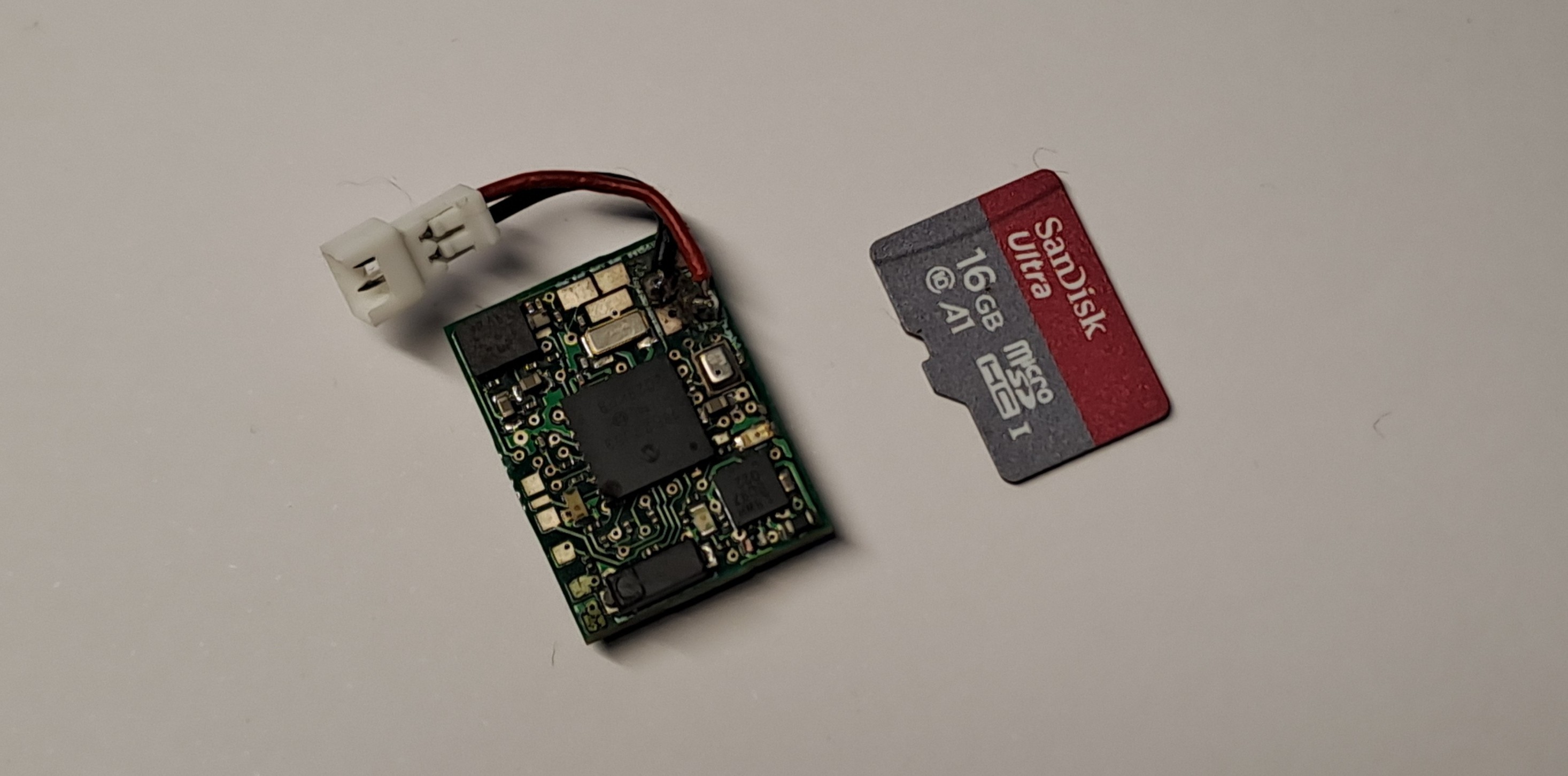
- Dimensions: 18×14×5 mm
- Weight (with MicroSD card): 1.7 g
- Battery connected via short wire pair
- Recommended: non-rechargeable A cells, 3.6 Ah for 1-2 months at 40 Hz acc (mag ~13 Hz, temp/pressure ~4 Hz)
Sensors
- Accelerometer / Magnetometer — LSM9DS1 (STMicroelectronics)
- Barometric pressure / Temperature — BMP581 (Bosch Sensortec)
- 3 LEDs — red (error), yellow (sleeping/waiting), green (logging)
- Magnetic REED switch — to initiate state change
- Storage: 16 GB MicroSD card (SanDisk)
- On-board power chip — cuts SD card power when voltage low
Sampling Capabilities
- Typical ratio: Acc : Mag : Temp : Pressure = 40 : 13 : 4 : 4 Hz
- Acc + Mag together at 80 and 160 Hz (temp/pressure off)
- Acc alone at up to 800 Hz (with intermittent SD card interruptions — data will be noisier than at 40 Hz)
Thumb Housings
For 3D printed housings, specifically for the Thumb logger, please enquire at wildbyte@live.com.
- 16 GB MicroSD storage
- LSM9DS1 Acc + Mag
- BMP581 Pressure + Temp
- Up to 2 months battery life
- Rechargeable or non-rechargeable options
- On-board power switch
- Custom housings available
The Calibration Dance
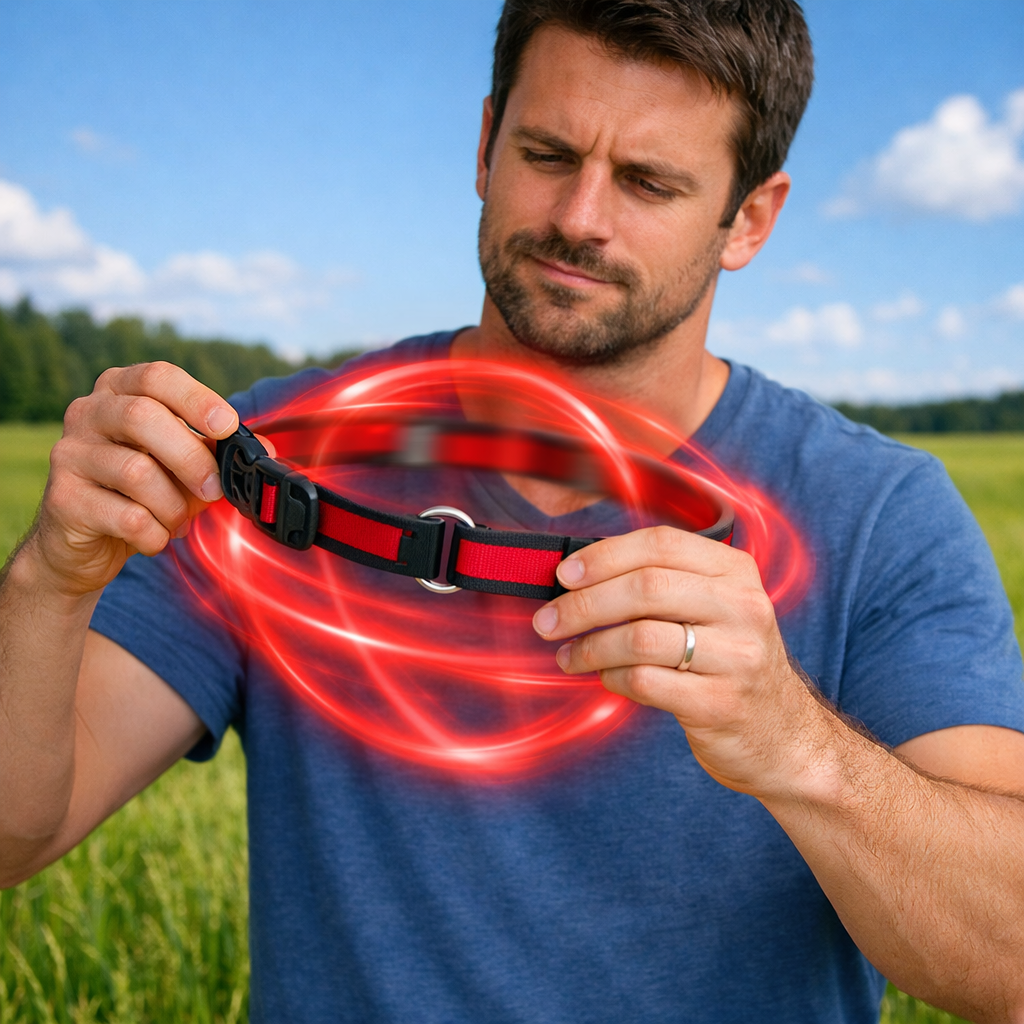
When first deploying a logger, follow these steps to generate the data needed for magnetometric calibration:
Prepare: Have the logger ready to place on the animal — assembled on collar, all systems (VHF, GPS etc.) functioning.
Location: Stand in a space far from any buildings, preferably in the field where tagging will take place.
Hold steady: Hold the logger steady for ~10 seconds without significant movement to generate a later-recognisable "flat line" in the data.
Acceleration spike: While holding the logger with one hand, exert a sudden knock to induce an acceleration spike. Note the exact time (+date) to the second (e.g. 13:05:22).
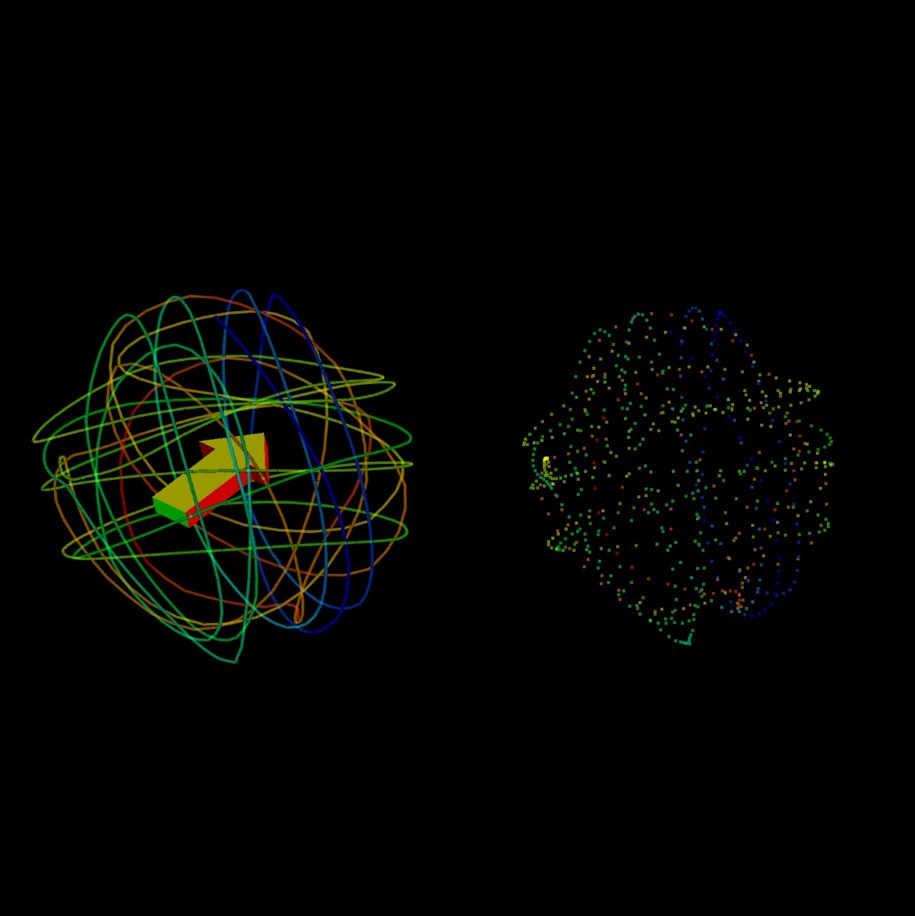
Random tumble: Perform a gentle random tumble in random directions while holding the device in front of you. Imagine a pencil connected to the logger that will draw on the inside of an imaginary sphere.
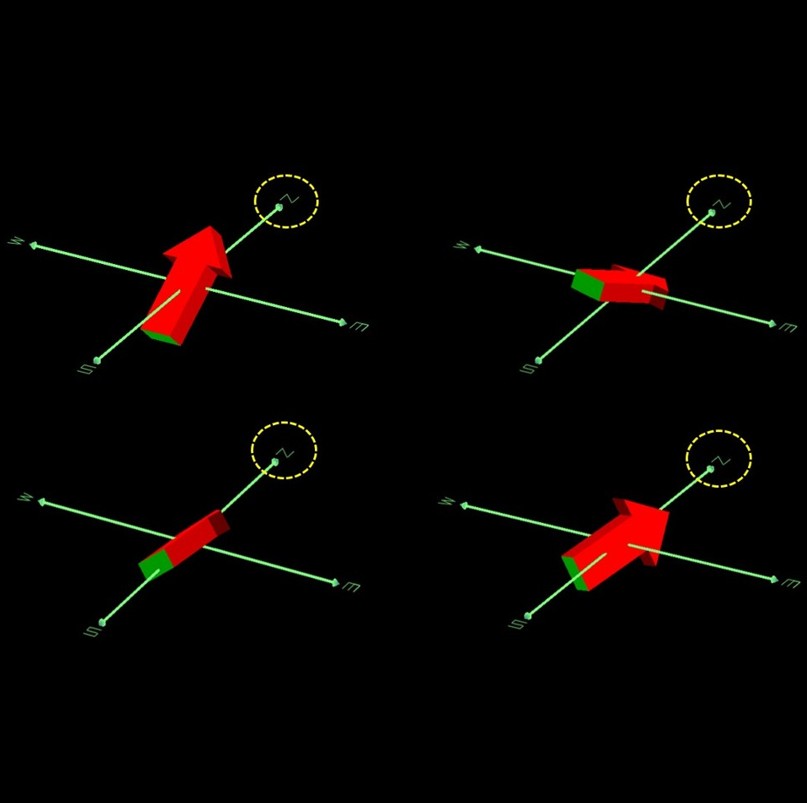
Pitch & Roll (facing North): Hold the logger facing the same direction as yourself. Gently pitch forward edge up to +45°, down to −45°, back to level. Then roll left to −45°, right to +45°, back to level.
Repeat for all directions: Repeat steps for East, then South, then West. Return to facing North.
Full rotation: Holding the device in front of you level, in the same orientation as when it will be on the animal, rotate from North → East → South → West → North (a full 360° gentle rotation on the spot).
Why this matters: This calibration dance enables our software to perform magnetometric offset corrections and fully verify that Heading, Pitch, and Roll will be correctly interpreted for your animal's movement.
It also allows verification across multiple collars — if the software shows pitching/rolling correctly but North is interpreted as South, the logger/collar may have been mounted incorrectly.
Ready to Order Tags?
We recommend a Teams meeting first to ascertain your specific requirements. Let us help you enter the world of animal data logging.
Contact Us